The Beautiful Netherlands
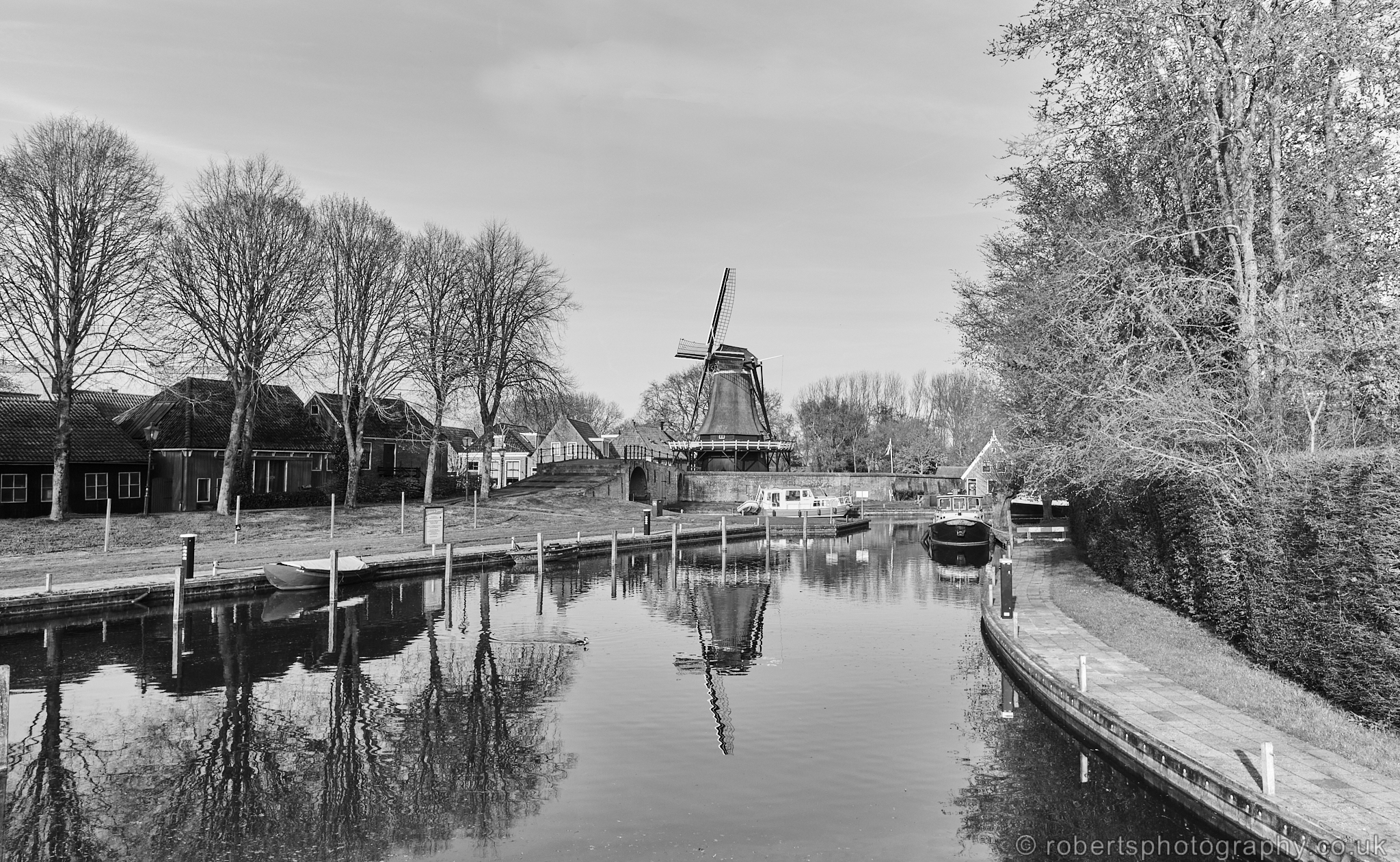
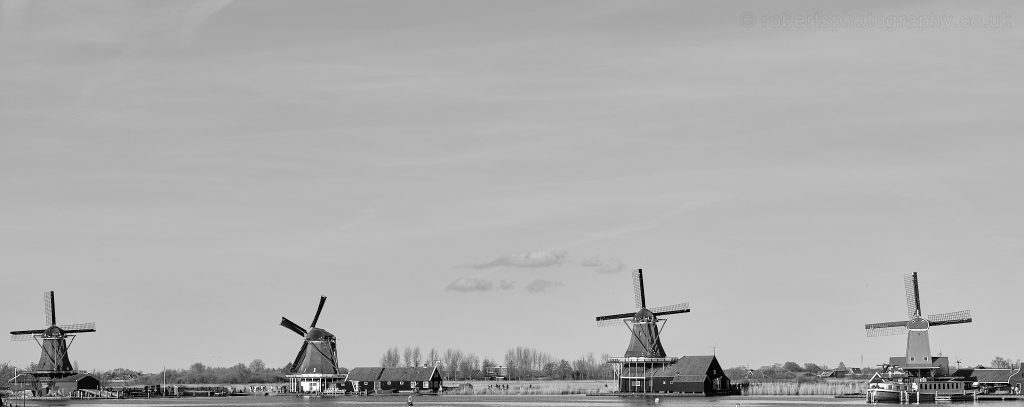
Situated on the river Ee, this historic windmill called ‘De Kaai Windmill’ in Sloten, is a working, historic polder mill dating back to 1755. Designed primarily for pumping water, common in Friesland’s lowlands.
The beautiful Netherlands and North Holland are two distinct places with an abundance of history, art and outstanding scenery. My short visit to this part of the country is a first for me – over the years I’ve visited many parts of the Netherlands and Holland, like so many I’ve used the lazy approach of referring to ‘the entirety’ as ‘Holland’. Surprisingly, the Dutch people – ostensibly notable for their candid, direct ethos – have never corrected me; instead; placated, even collaborated in my malapropisms of their amazing culture, country and regions.
I’ve never been this far north in the country before, but have oft wondered what goes on up here in the northern regions, famous for its contribution to all that is dairy, both in the Netherlands and across the globe, after all: Who hasn’t heard of the Friesian cow or Dutch cheese?
A dairy industry of which the Dutch are incredibly proud, be that in the rural north or the far south, you’ll be left in no doubt that Dutch people are delighted to eulogise their dairy with “We have the best milk / cheese in the world.” Far be it for me to disagree, although I reckon the people of Cornwall may give them a run for their money.
What I can say without reservation; The northerners of the Netherlands match their gregarious reputation in spades, or as we say ‘up-north’ in England: “Shovels.”
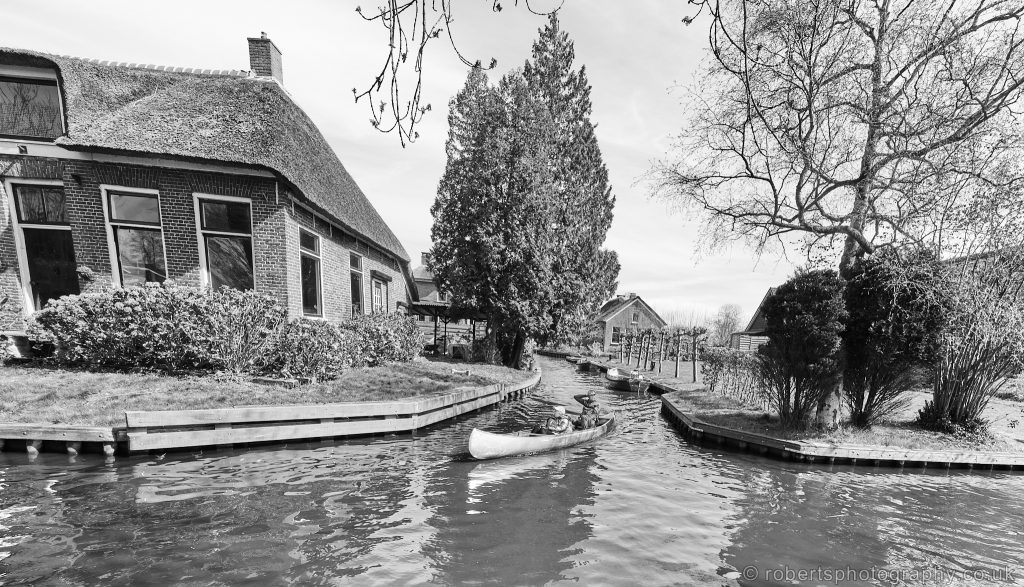
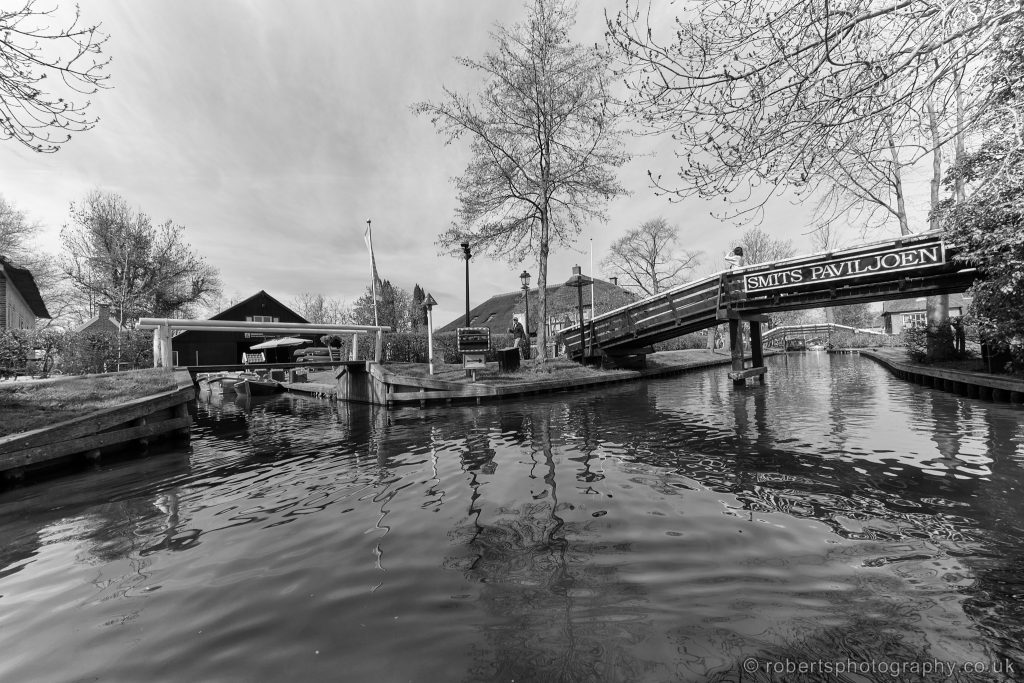
My images start in the quaint city of Sloten, notable for its canal, bridges and traditional windmill.
Enjoy!

The windmills of Zaanse Schans are located in the province of North Holland. It’s famous for its restored windmills, which I understand were relocated here between 1961 and 1974 – as part of a preservation project. Today they’re the main feature of the open-air-museum and heritage neighbourhood of Zaandam near Zaandijk. The location attracts millions of visitors each year, many of whom arrive by coach excursions from Amsterdam.

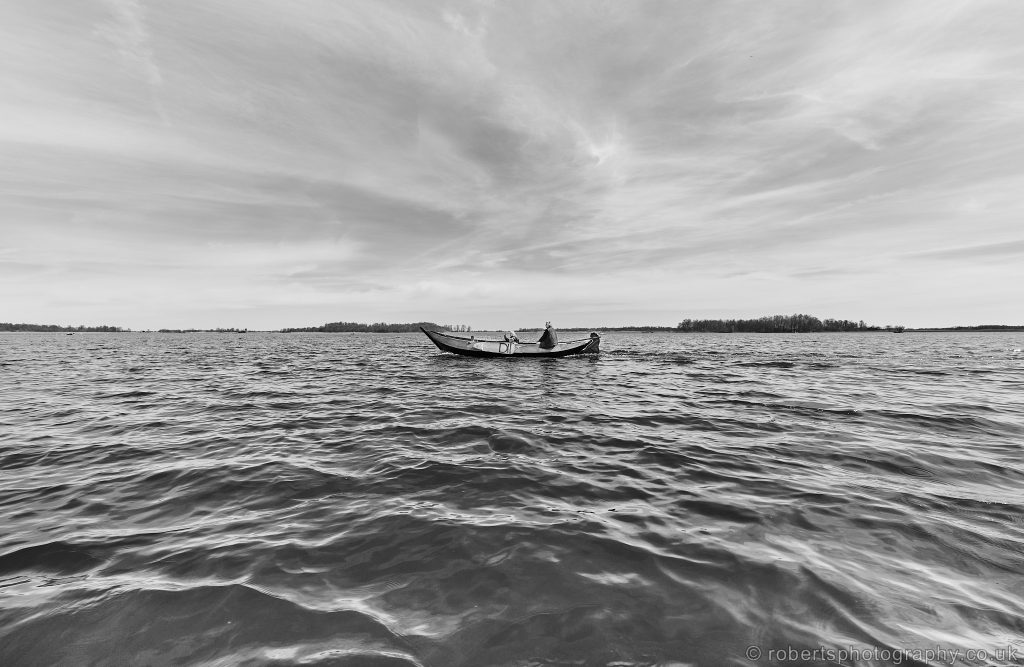
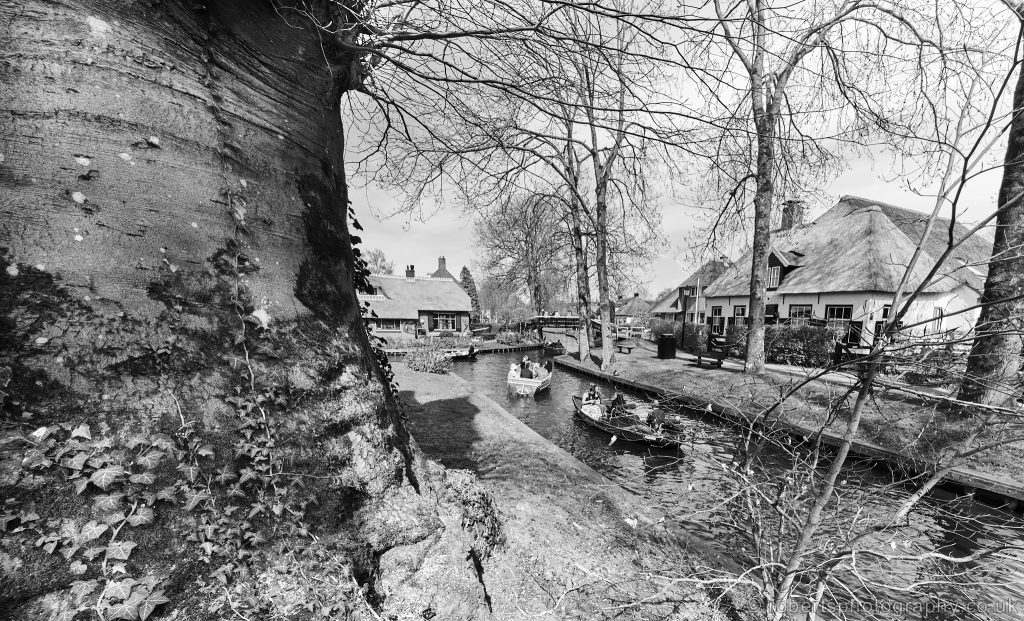
Two women are pictured in a small motorboat, navigating across the Bovenwijde Lake of Giethoorn, Overijssel in the Netherlands. I really like this image, it could be almost timeless, especially in black & white. A lucky opportune moment – shot from the boat I was on.


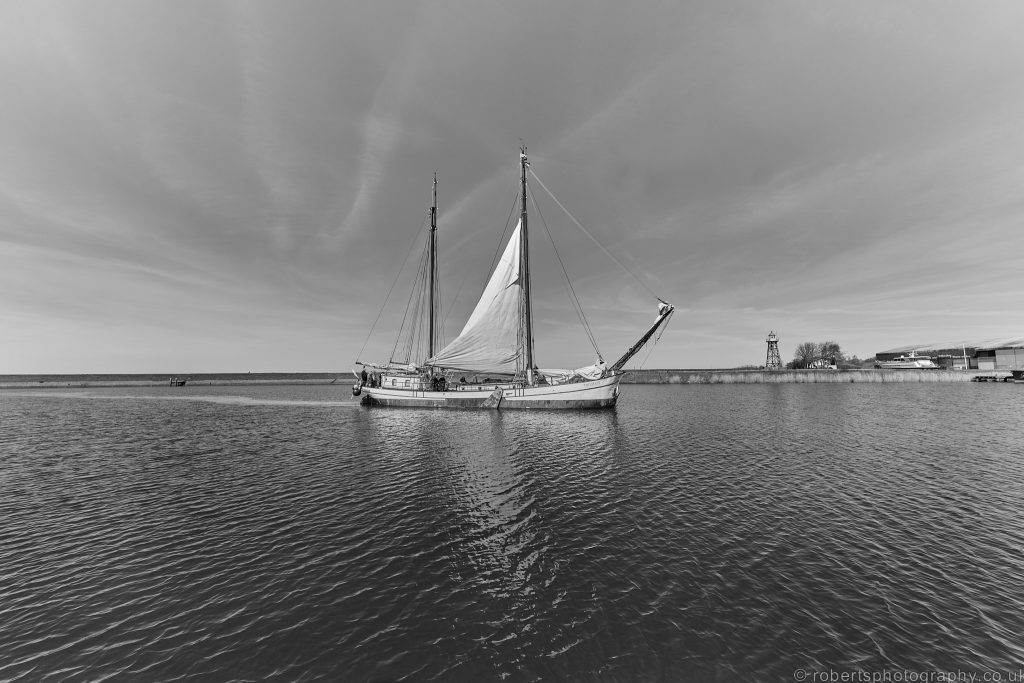
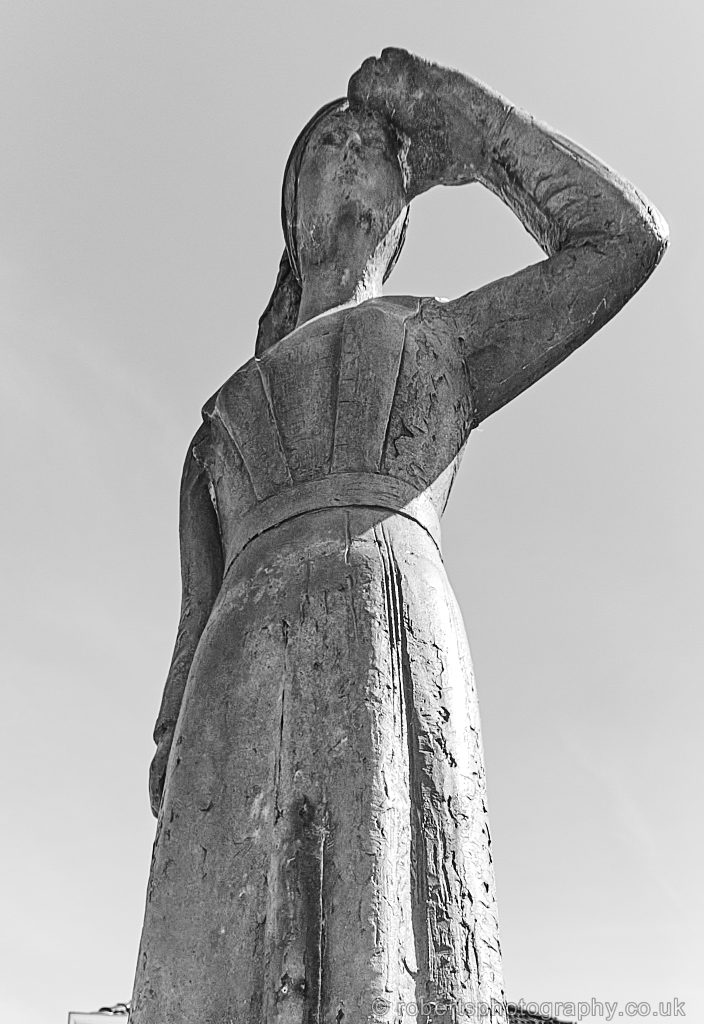
My favourite image of this series, yet another opportune moment, resulting from the luck of timing. I was in Stavoren, specifically to take a photo of the Lady of Stavoren (Picture Below). Having spotted a snack-bar called: Staverse Vishandel, I enjoyed their very tasty Kibbeling (small pieces of deep fried, battered fish)… I then took a gentle stroll along the waterfront just as this traditional Dutch fishing barge arrived back to port. The vessel is a Frisian flat-bottomed boat, know as a Lemsteraak. Her almost silent approach guided by sails and powered by wind added to the grandeur of her steady course. It genuinely was a moment to savour.


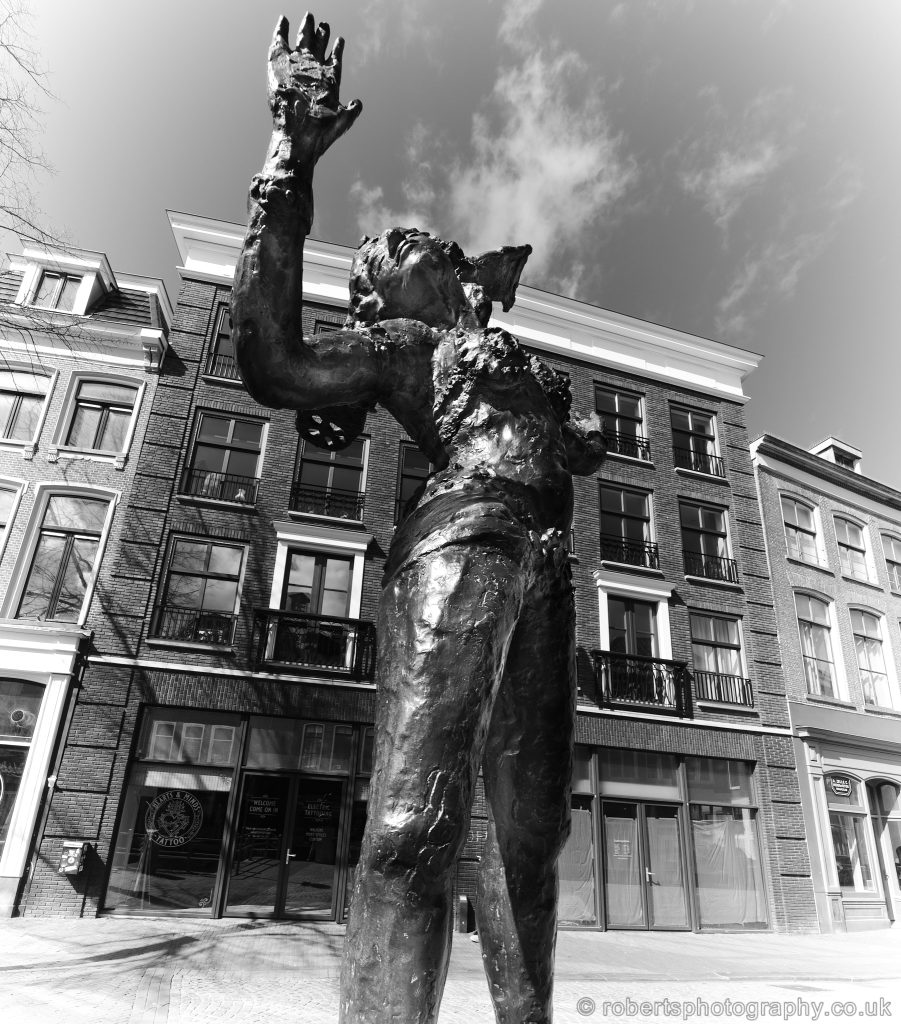
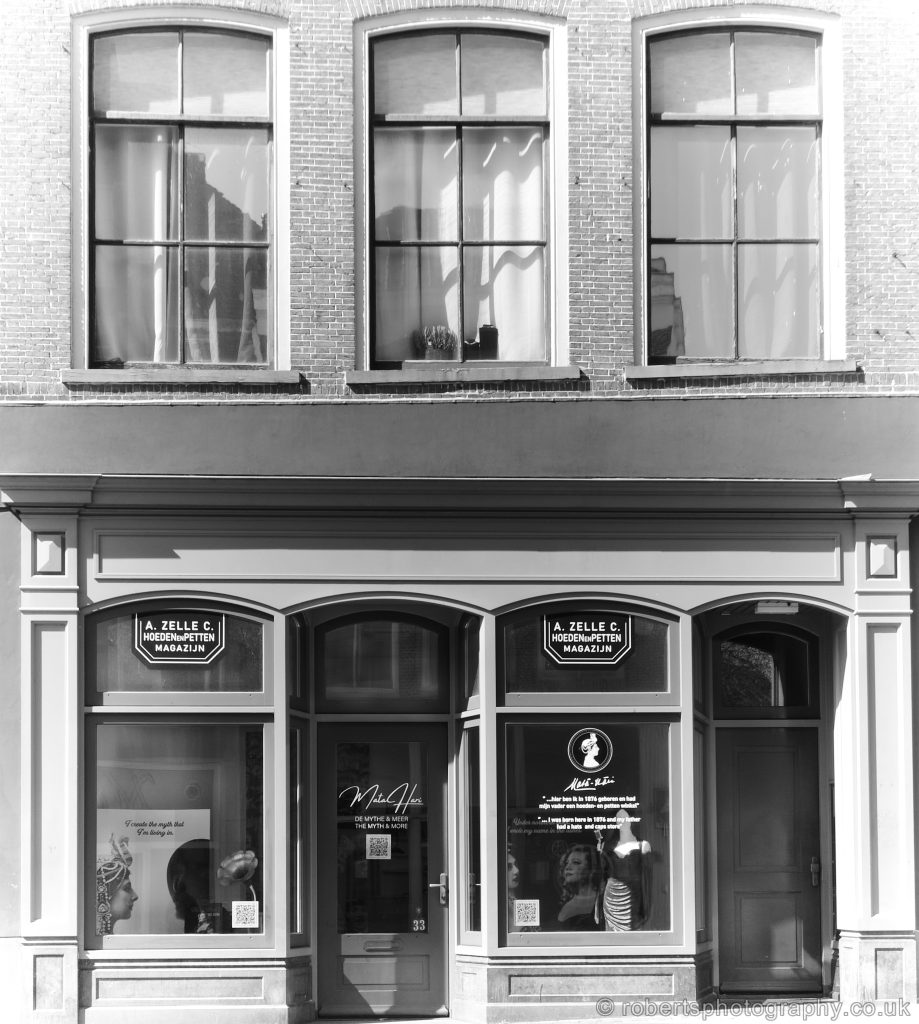
Scapegoat or Spy? The Mata Hari debate continues.
Mata Hari, Born: Margaretha Geertruida Zelle – 7 August 1876 – 15 October 1917, is possibly the most controversial woman of the late 19th, early 20th centuries. Executed by a French firing squad for a list of crimes, you genuinely might have to stretch your imagination – to be taken in by the (entire list) of so called crimes used to convict her as a German spy.
Some things to weigh-up when considering the allegations levelled against her. Mata Hari, was a courtesan, she associated with wealthy, powerful, French and German statesmen at that desperate time in her short existence. The evidence used to convict her, would nowadays be thrown-out of court by any honourable judge… not least because she’d conned German intelligence officers into paying her a substantial fee – in exchange for providing ‘Germany’ with pillow talk / information, garnered from her French clients.
Having realised Mata Hari, wouldn’t be producing said information, the Germans – via: Major Arnold von Kalle, sent a telegram – exposing Mata Hari as a spy, this was carried out by using a communication system he knew the French intelligence services had compromised.
To use a modern idiom; Mata Hari, was ‘thrown under the bus’ because she dared to take money from Germany, purely for her own gain and without any intention of delivering.
Her descent into prostitution followed a series of personal disasters in her life, these included marrying her violent, drunkard, abusive husband and father to her two children, one of whom was murdered. Her husband: Capt. Rudolph MacLeod, cavorted with prostitutes – he almost certainly gave Hari syphilis before deserting her and taking the surviving child with him.
Historians continue to debate the validity of Mata Hari’s conviction, some remain convinced she took part in espionage against the French, others argue she was naive and believed she could be a secret agent. I personally think the evidence against her was so tenuous, it wouldn’t pass muster to gain a safe conviction today. There’s also potential there were a lot of people involved in her activities – who’s reputations and therefore lives may be damaged, if their personal involvement with such a well known prostitute was exposed… the expedience of the firing squad may have been a simple solution, if said potential was far too weighty to be ignored. Hindsight as they say… is a wonderful gift.

Article and Photos by: David Glover Roberts
Published: 25 April 2026